
Creating Sensory-Friendly Spaces: Designing Environments That Heal
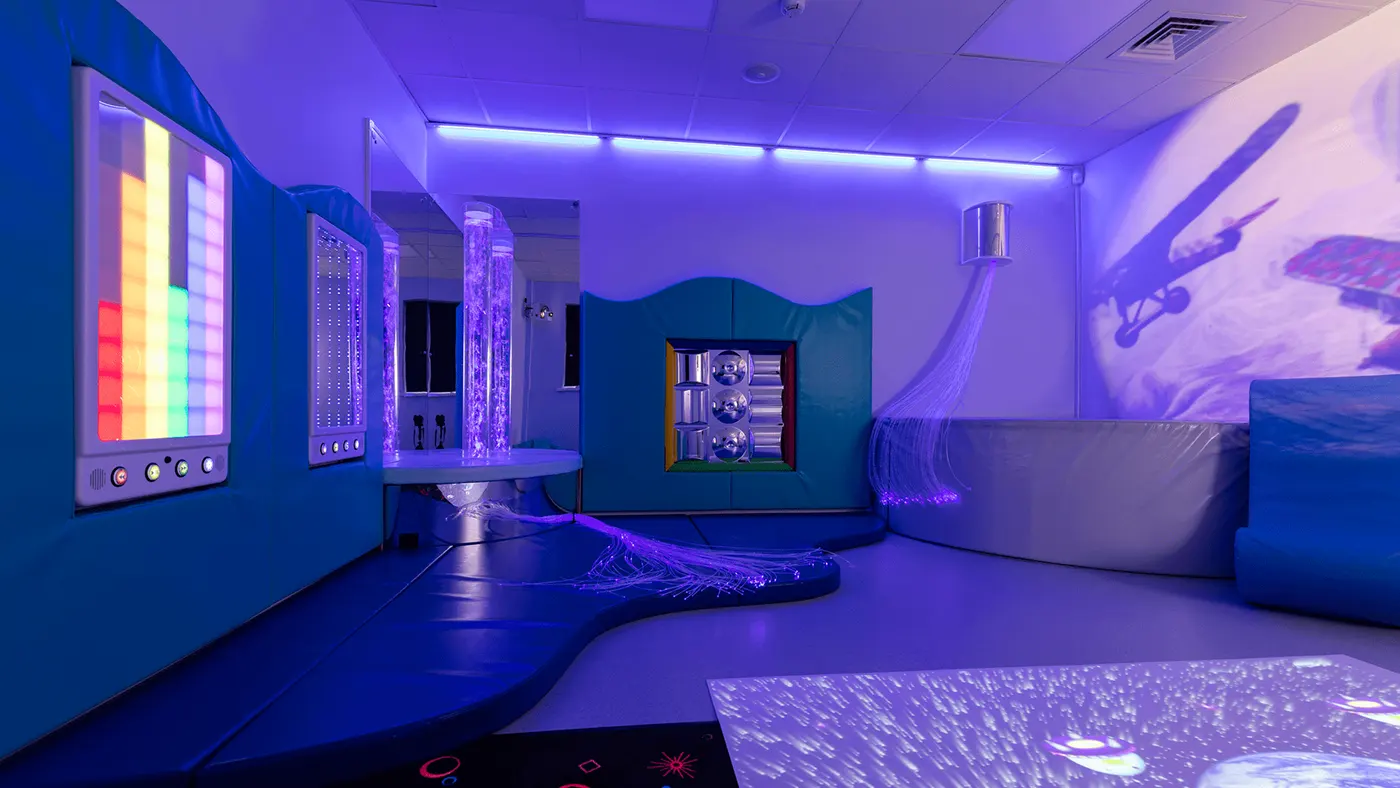
The physical environment plays a monumental role in a child’s ability to learn, regulate, and feel secure. For children with sensory processing differences, autism, or ADHD, standard environments filled with fluorescent lighting, loud noises, and visual clutter can feel overwhelming and distressing. Designing sensory-friendly spaces is a powerful way to reduce anxiety and support optimal development.
A sensory-friendly space is carefully curated to balance stimulation. This does not mean creating a sterile, boring room; rather, it involves thoughtful choices regarding lighting, sound, and layout. Replacing harsh fluorescent bulbs with soft, natural lighting or warm lamps can instantly calm a room. Incorporating acoustic solutions, such as rugs, curtains, or wall panels, helps muffle jarring background noises.
Zoning the environment is another effective strategy. A space should offer distinct areas for different needs: a vibrant, engaging zone for active learning and play, alongside a quiet, low-stimulus “calm-down corner” equipped with weighted blankets, soft cushions, and soothing sensory tools. This gives children a sense of control, allowing them to retreat and self-regulate when they feel sensory overload creeping in.
Furthermore, minimizing visual clutter helps children focus on tasks and reduces cognitive fatigue. Using organized storage bins and clear, predictable spatial layouts creates a sense of order and safety.
Whether in a classroom, a therapy clinic, or a bedroom at home, creating sensory-friendly spaces sends a powerful message: You are safe here, and your needs matter. By tuning our environments to respect sensory realities, we unlock focus, comfort, and emotional well-being.
