
Beyond Words: Fostering Meaningful Connection Through Non-Verbal Communication
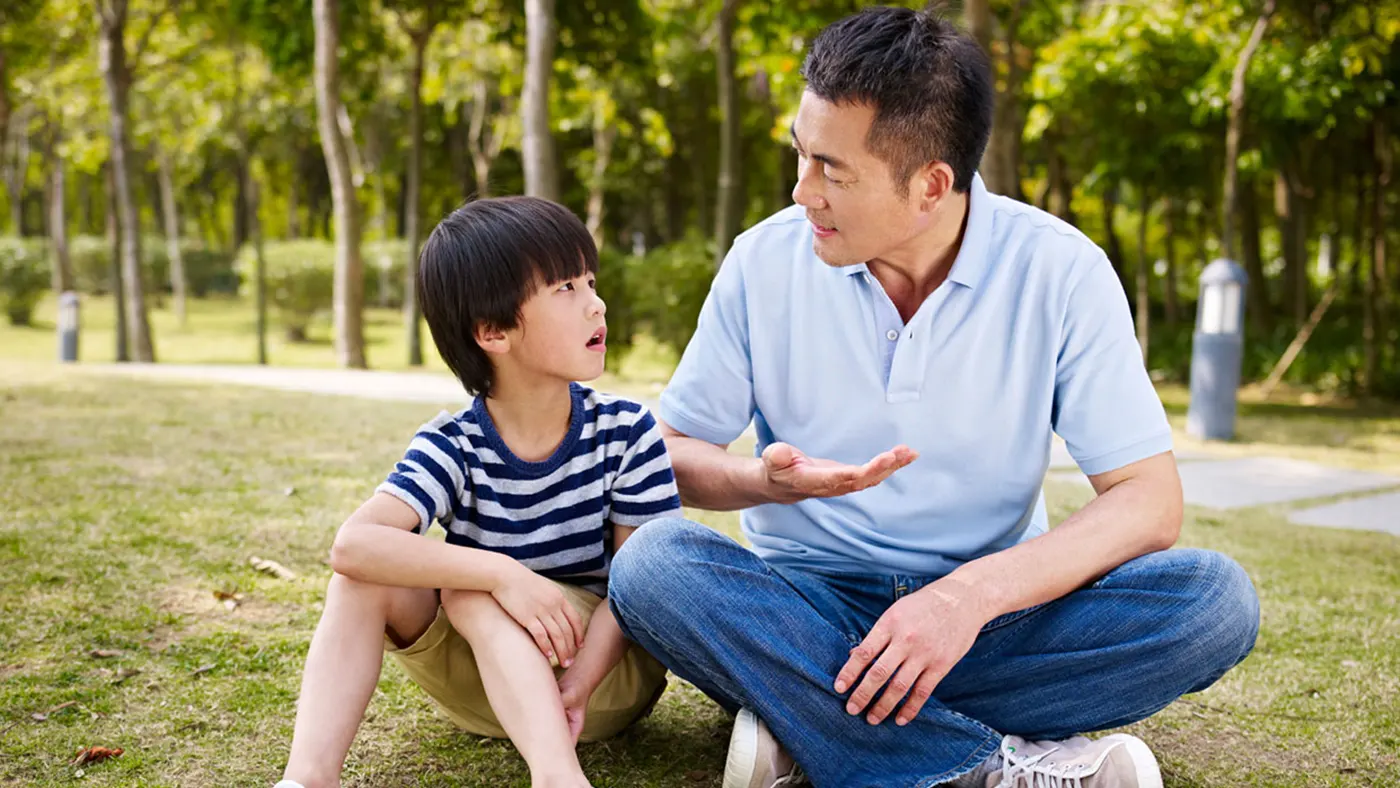
Communication is a fundamental human need, yet verbal speech is only one of many ways we express ourselves. For children with speech delays, autism, or other communication barriers, words may not always be readily available. Recognizing, honoring, and expanding non-verbal communication is essential for building deep, meaningful connections and ensuring every child feels heard.
Non-verbal communication encompasses a rich tapestry of expression: eye contact, facial expressions, body language, gestures, sign language, and the use of Augmentative and Alternative Communication (AAC) devices or picture exchange systems. When we look past the absence of spoken words, we open our eyes to a world of intent and emotion. A tug on a sleeve, a specific smile, or a pointed finger are all powerful messages waiting to be understood.
Fostering non-verbal connection begins with active observation and attunement. Pay close attention to a child’s body language and environmental cues. When communicating back, match their pace and use clear, supportive visual cues alongside your voice. Incorporating tools like picture boards or tablet apps gives children a reliable voice, significantly reducing the frustration and behavioral outbursts that often stem from being misunderstood.
Moreover, creating a communication-friendly environment means practicing patience. Give children ample processing time to respond without rushing them. Celebrate every attempt at connection, whether it is a vocalization, a gesture, or a tap on an AAC screen.
By expanding our definition of communication, we validate the unique ways these children experience and interact with the world. True connection does not require spoken sentences; it requires empathy, patience, and a willingness to listen with our hearts.
