
The Healing Power of Play: Sensory Integration and Development
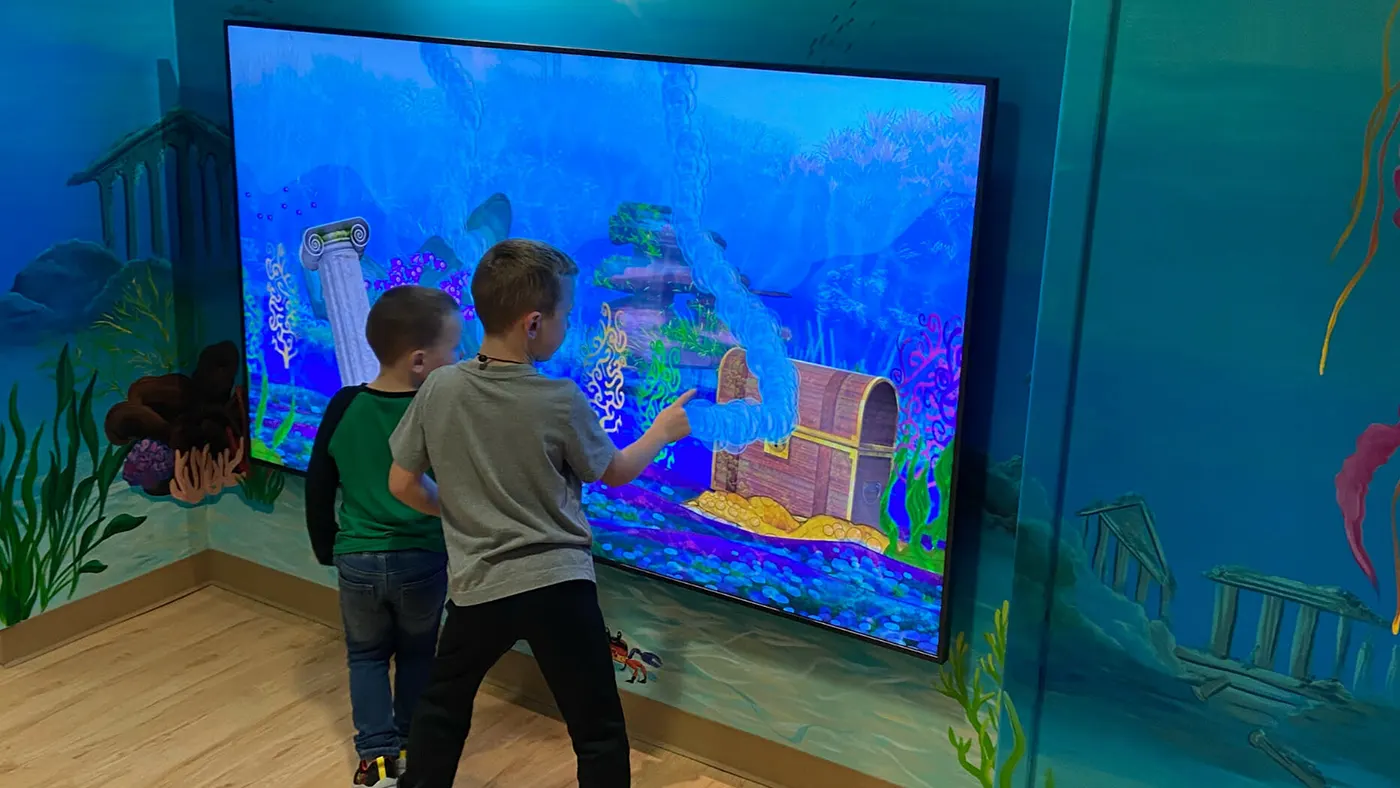
Play is often described as the work of childhood, but for children with special needs, it is also a powerful therapeutic tool. Through play, children explore their environment, process sensory information, and develop critical motor and social skills. Understanding the connection between sensory integration and play can unlock new avenues for growth and learning.
Many children with neurodevelopmental differences process sensory input differently—some may be hypersensitive, finding lights or sounds overwhelming, while others are hyposensitive, seeking constant movement and tactile feedback. Sensory-rich play provides a safe, structured space to help regulate these responses. Activities like playing in a sandbox, swinging, squeezing therapy putty, or splashing in water engage the vestibular, proprioceptive, and tactile systems, helping children achieve a balanced state of calm and focus.
Integrating therapy goals into playtime makes learning natural and enjoyable. For instance, building a block tower can improve fine motor coordination and spatial awareness while teaching turn-taking and communication. Puzzles enhance problem-solving capabilities, and cooperative games foster social connection and empathy.
When designing play spaces, keeping individual sensory profiles in mind is crucial. Providing a quiet, low-stimulation corner gives children a refuge when they feel overloaded, while active play areas encourage exploration and physical confidence.
Ultimately, play bridges the gap between therapy and joy. By embracing play-based approaches, we allow children to learn at their own pace, transforming everyday moments into opportunities for profound developmental breakthroughs.
